How Your Lens Was Built: Where Your Patterns Come From
Feb 07, 2026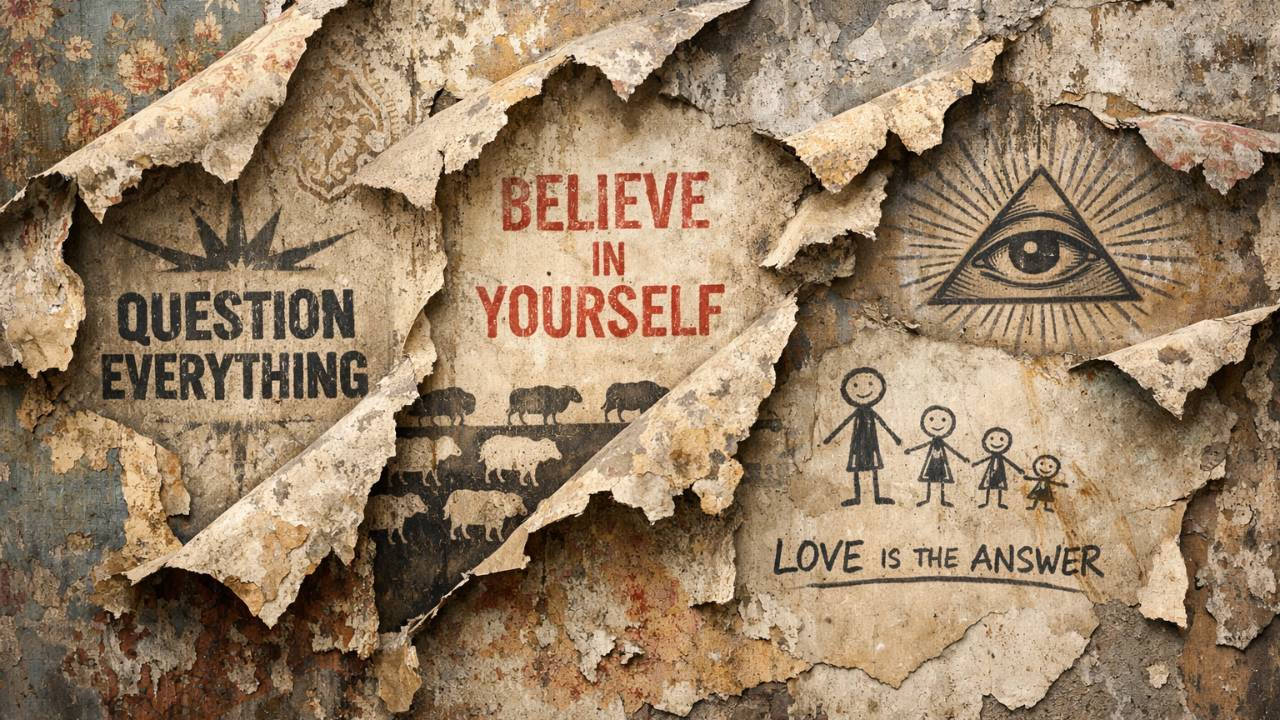
Understanding the origins of your “lens” is the key to unlocking lasting change. This post explores how family, culture, experience, and personal stories shape the way you see the world—and how you can begin to see differently.
You Didn’t Choose Your Starting Point
We’re all born into rooms already filled with messages—about emotions, success, safety, and belonging. These messages aren’t chosen; they’re inherited from family, culture, and experience. Over time, they become the “walls” of our inner world, shaping how we see ourselves and what we believe is possible.
The Four Main Sources of Your Lens
-
Family Patterns
Our early training ground. We learn how to handle stress, what’s praised or criticised, and what’s “normal.” Sometimes the message is direct (“Work comes before everything”); often, it’s unspoken (“Other people’s needs matter more than yours”). -
Cultural and Social Messages
Beyond family, we’re shaped by media, community, and societal norms. Culture tells us what success looks like, who gets to belong, and what’s acceptable. These messages blend with family patterns to reinforce certain lenses—like scarcity, comparison, or the need to prove yourself. -
Significant Experiences
Events that leave a mark—successes, failures, betrayals, moments of support—shape the stories we tell about ourselves. A failed exam might become “I’m not smart enough.” A supportive teacher might spark “I can handle change.” -
The Stories You Tell Yourself
Two people can experience the same event and come away with different stories. Over time, these stories become the lens through which you see the world. The good news? Stories can be updated.
Why Learned Patterns Aren’t Fixed
Your lens is learned—not who you are. If it’s learned, it can be examined. If it can be examined, it can be changed. This isn’t about blaming the past, but about understanding it clearly enough to move beyond it. Compassion for your younger self and responsibility for your choices now go hand in hand.
Reflection: Tracing Your Own Lens
- What were the spoken or unspoken rules in your family about emotions, success, or asking for help?
- What cultural or social messages shaped your beliefs about what’s possible?
- What stories from your past still influence your choices today?
- What might shift if you saw these as learned patterns, not fixed truths?
Even one honest insight can begin to shift your lens.
Ready to see where your patterns come from—and start writing a new story?
At Mindshift202, we help you explore and update the beliefs shaping your experience.
Book an introduction call to begin your transformation, at www.mindshift202.com.
Curious to go deeper? My book, “Questioning the Walls: How Changing Your Perspective Transforms the Room You Live In,” is now available on Amazon: Read it here.